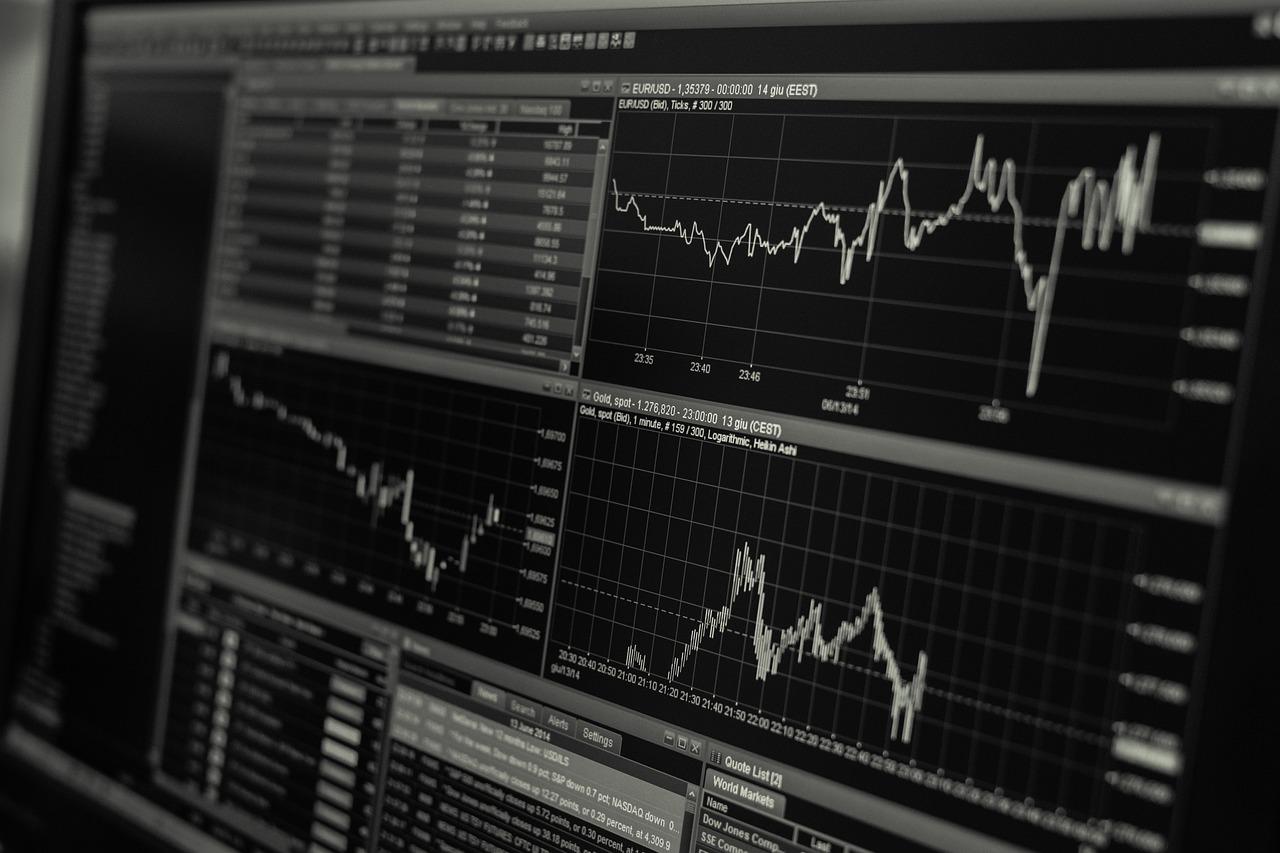
US-Iran tensions are driving significant activity on Polymarket, revealing how early information can influence outcomes and create ripple effects felt deeply across Southeast Asian economies.
Insider Trading on Polymarket: US-Iran Tensions and Their Ripple Effect on Southeast Asian Markets
In an increasingly interconnected world, geopolitical flashpoints often cast long shadows far beyond their immediate vicinity. Prediction markets like Polymarket have emerged as fascinating barometers of sentiment, offering real-time insights into future events. Recently, heightened US-Iran tensions have not only created considerable volatility on these platforms but also revealed the potent influence of early information, echoing the dynamics of insider trading. The subsequent ripple effects are now distinctly observable in the diverse economies of Southeast Asia.
The Polymarket Phenomenon and the Shadow of Information Asymmetry
Polymarket operates on the premise of collective intelligence, allowing users to bet on the outcomes of future events – from political elections to geopolitical conflicts. For savvy participants, these markets can become arenas where privileged information, even if not legally classified as "insider trading" in the traditional sense, can significantly skew outcomes. The anticipation or confirmation of a diplomatic breakthrough or a military escalation between the US and Iran, for instance, can lead to sudden shifts in contract prices. Those with early access to credible intelligence, or even astute analysis ahead of public announcements, can capitalize on this [kw1]information asymmetry, influencing the odds before the wider market reacts.
US-Iran Tensions: A Catalyst for Market Volatility
The historical friction between the United States and Iran, punctuated by periods of intensified rhetoric, sanctions, and proxy conflicts, consistently introduces significant uncertainty into global affairs. Events like disruptions in the Strait of Hormuz, shifts in nuclear deal negotiations, or regional military posturing can send shockwaves through international markets, particularly affecting oil prices and global trade routes. On Polymarket, contracts related to these specific geopolitical developments have seen rapid fluctuations, driven by a mix of public news, speculation, and, notably, distinct betting patterns that suggest some participants possess a more informed perspective. This ongoing [kw2]geopolitical risk becomes a prime driver for market movements, both on prediction platforms and in traditional financial markets.
The Ripple Effect: Southeast Asia's Vulnerability
The economic impact of US-Iran tensions extends far beyond the Middle East, reaching distant shores like Southeast Asia. Many nations in this region are heavily reliant on imported oil, making them highly vulnerable to sudden spikes in global crude prices. Higher energy costs directly translate to increased operational expenses for industries, elevated transport costs, and inflationary pressures that can erode consumer purchasing power. Furthermore, any disruption to key shipping lanes could impact the flow of goods to and from Southeast Asian export-oriented economies, affecting supply chains and trade volumes. Investor sentiment, too, is highly sensitive to global instability; heightened tensions often lead to a flight to safety, drawing capital away from emerging markets in the region and potentially impacting currency valuations and investment flows.
Countries like Singapore, a major shipping hub, and net oil importers such as the Philippines, Vietnam, and Thailand, feel the direct pinch of escalating oil prices. Even countries with their own energy resources may see trade dynamics shift. The interconnectedness of global finance means that even seemingly distant conflicts can tighten liquidity or alter lending conditions for businesses and governments across the ASEAN bloc, slowing down growth and development trajectories.
Navigating the Uncertain Future
For businesses and policymakers in Southeast Asia, monitoring global geopolitical dynamics, including the subtle shifts observed on platforms like Polymarket, has become paramount. While prediction markets offer a glimpse into market expectations, the underlying influence of privileged information underscores the challenges of navigating complex international relations. Understanding these dynamics is crucial for strategizing energy security, diversifying trade partners, and building resilience against external shocks. The US-Iran standoff, as reflected in the micro-movements of prediction markets and the broader macroeconomic shifts, serves as a powerful reminder of how global tensions resonate across the world, shaping the economic destinies of regions far removed from the immediate conflict zones.
Comments
Post a Comment